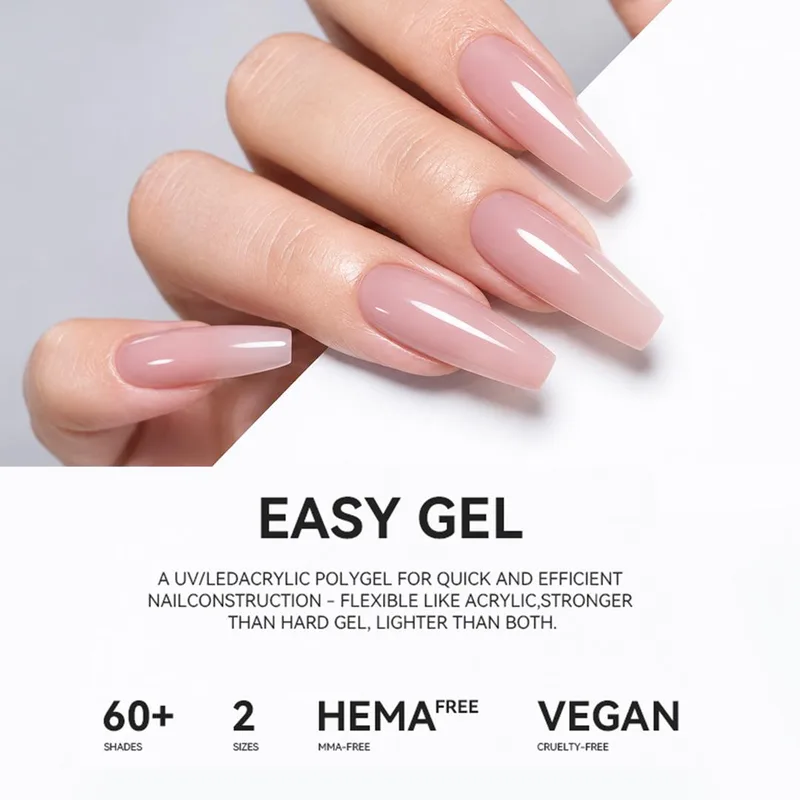
Ask a group of nail techs where natural nail damage comes from and most will give the same answer: not the gel, the removal. Peeled-off overlays, scraped-off layers, coarse files on bare nail, an e-file held in one spot for too long. Builder gel gets blamed for all of it, but almost every case starts with someone taking it off the wrong way.
The good news is that safe removal isn't complicated. It's slower than ripping, and it needs you to know which kind of builder you're dealing with. This guide covers both: how to tell hard builder from soak-off builder, and the three removal methods that protect the nail plate.
First, know what you're removing
"Builder gel" covers products with very different chemistry, and the difference decides how they come off.
Holly Schippers' explainer for NAILS Magazine puts it in terms of crosslinking. UV gels cure into a crosslinked network, and the tighter that network, the harder and stronger the gel, and the harder it is to remove with solvents. Hard gels have the heaviest crosslinking and resist chemical removal, so they're filed. Soak-off (soft) gels have reduced crosslinking, which lets acetone break them down. NailKnowledge's glossary uses the same split: soak-off gels are porous and can be removed by soaking in acetone, while hard gels must be filed off.
In practice, the instructions on the product tell you which you have. Here's how our own builders are labeled:
| GEL PARTY product | Type | Removal on the label |
|---|---|---|
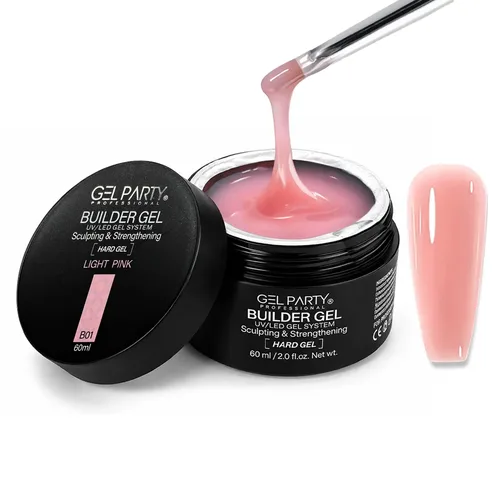
| Builder Gel, 60 mL jar | Self-leveling hard gel | File down with a 100/180 file or e-file, leaving a thin layer; soak off the rest or keep it as the base for the next set |
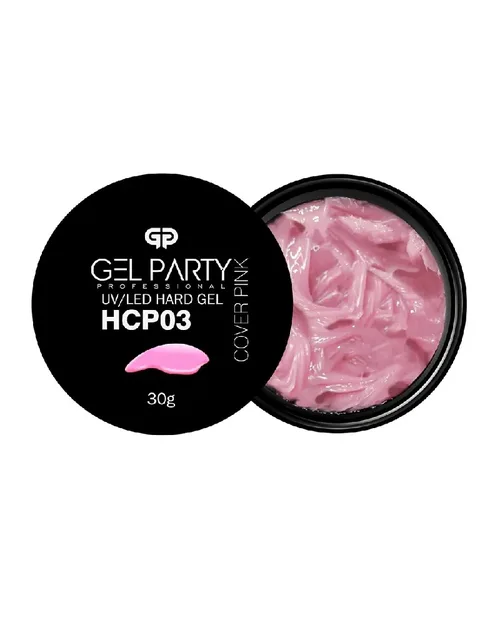
| Classic Hard Builder Gel | Self-leveling builder | File away the shine of the top layer, then acetone or gel remover wraps for 10 to 15 minutes; push off gently |
| Builder Gel in a Bottle | Soak-off brush-on builder | File the top coat, then acetone wraps or soak-off remover for 10 to 15 minutes; push off gently |
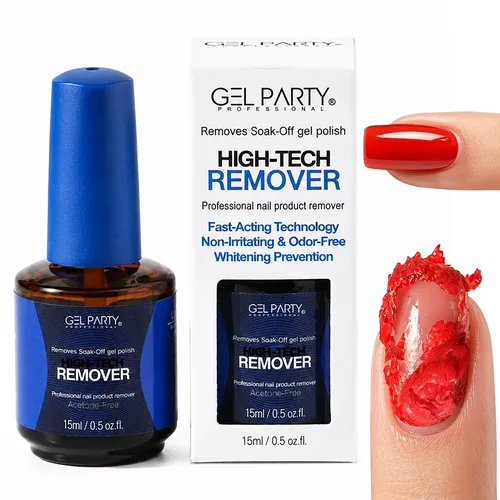
| High-Tech Gel Polish Remover | Brush-on remover | For soak-off gel polish, rubber base and soft gel; not for hard builder, which should be filed |
Whatever the product, check the label before you pick up a file. If you can't find it (a client coming in from another salon, for example), assume it's hard gel and file it down to a thin layer. Then test a small area with acetone.
What comes off, and what stays
- Color and top coatThe hardest, most crosslinked layer. File it first: removers can't get through an intact top coat.
- Builder bulkThe apex and most of the structure. File it down with long, even strokes on the product only.
- Thin layer that staysStop here. Soak it off, buff it smooth to grow out, or keep it as the base of the next set.
The dark overlay is filed away stroke by stroke, leaving a light, thin layer over the whole nail. Simplified: the layers sit on top of each other and come off in the order listed.
Why removal causes most of the damage
The natural nail plate is made of layers, and filing removes them fast. Doug Schoon writes on NailKnowledge that a heavy hand with a coarse abrasive (120 or 180 grit) or an electric file can quickly remove half of the nail plate's layers. Over-filed plates become too flexible, which hurts adhesion for whatever goes on next, so a bad removal also sets up the next set to lift.
Schoon also explains why over-filed nails feel hot in the lamp. The nail plate normally insulates the nail bed from the small amount of heat released while gel cures. Thin it too much and it becomes a poor heat barrier.
Peeling is worse still. Scratch gel tech Justyna Pryke's removal guide says it plainly: peeling gel tears layers from the natural nail. NAILS Magazine adds that buffing or scraping off the last remnants of product can leave white spots, which are signs of surface damage on the nail.
Acetone, on the other hand, isn't the villain it's made out to be. Kevin Nicholls reviewed the evidence for NailKnowledge and concluded that acetone doesn't penetrate the skin or nail plate in significant amounts and doesn't damage, weaken or change the structure of the natural nail plate. What it does do is dry the surface of the skin and nail temporarily, which oil and moisturizer fix. It's also highly flammable, so keep it away from heat sources, sparks and flames.
Method 1: file off by hand
This is the method for hard builder gel, and the best choice for home users because it's slow enough to stay in control. Pryke's guide uses three grits.
Signs you're close to the natural nail
Signs from Justyna Pryke's hard gel removal guide in Scratch. Photo: stock photo via Pexels.
- Bulk removal with a 100 grit. Long strokes, light to moderate pressure, working evenly across the nail. Don't park the file on one spot: friction creates heat. Stop while a thin layer of gel still covers the nail.
- Refine with a 180 grit. Once the gel looks thinner and more transparent, switch to the finer side for more control and keep going until only a very thin layer is left.
- Smooth with a 220 to 240 buffer. Buff what's left smooth. From here you can let it grow out, keep it as a base for a new set, or soak it off if it's a soak-off product.
- Oil. Finish with cuticle oil to rehydrate the nail and skin.
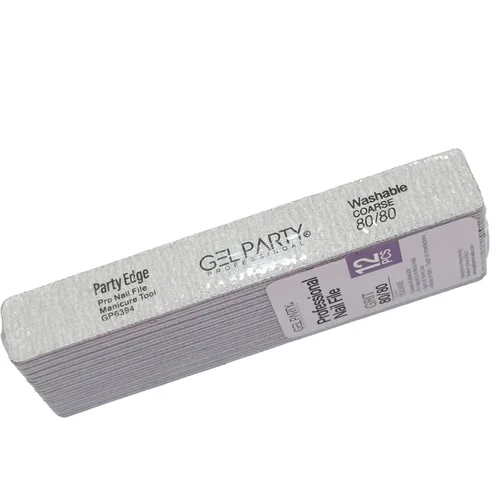
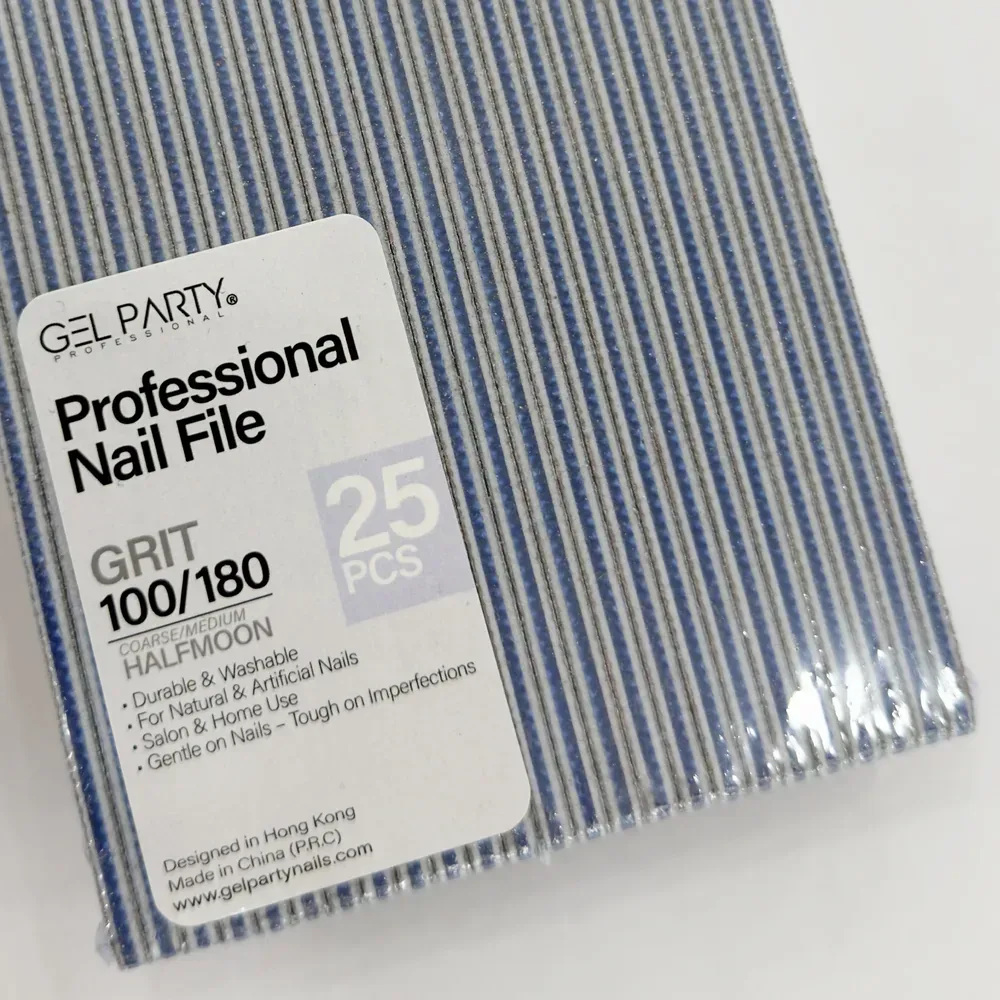
The coarse 80/80 files you might use on acrylic belong on product only, never on the natural nail. Our Professional Nail Files come in 80/80, 100/100 and 100/180, and the 100/180 half-moon is the most useful single file for this job. For more on which grit does what, see our nail file grit guide.
Method 2: file off with an e-file
An e-file makes removal much faster on thick or long sets, and much riskier in untrained hands. Schoon's warning about thinning damage applies to electric files as much as hand files. Kristie Jauvais' NailKnowledge article on "rings of fire" (red, sore grooves on the nail plate) traces most of them to over-filing, and her advice translates directly to removal:
| Variable | Do | Avoid |
|---|---|---|
| Bit and angle | Cylinder bits parallel to the nail; flame or football bits at about 45 degrees, on the side of the tip | Ball bits on the nail plate; digging in with the end of a bit |
| Bit quality | A quality bit that cuts without force | Worn or cheap bits that need pressure |
| Speed | Enough speed to cut smoothly; lower near the cuticle | Too slow (drags) or too fast for your control |
| Pressure | Light, with the bit always moving | Holding the bit in one spot |
| Passes | As few as possible; stop at a thin layer | Chasing the last trace of gel on bare nail |
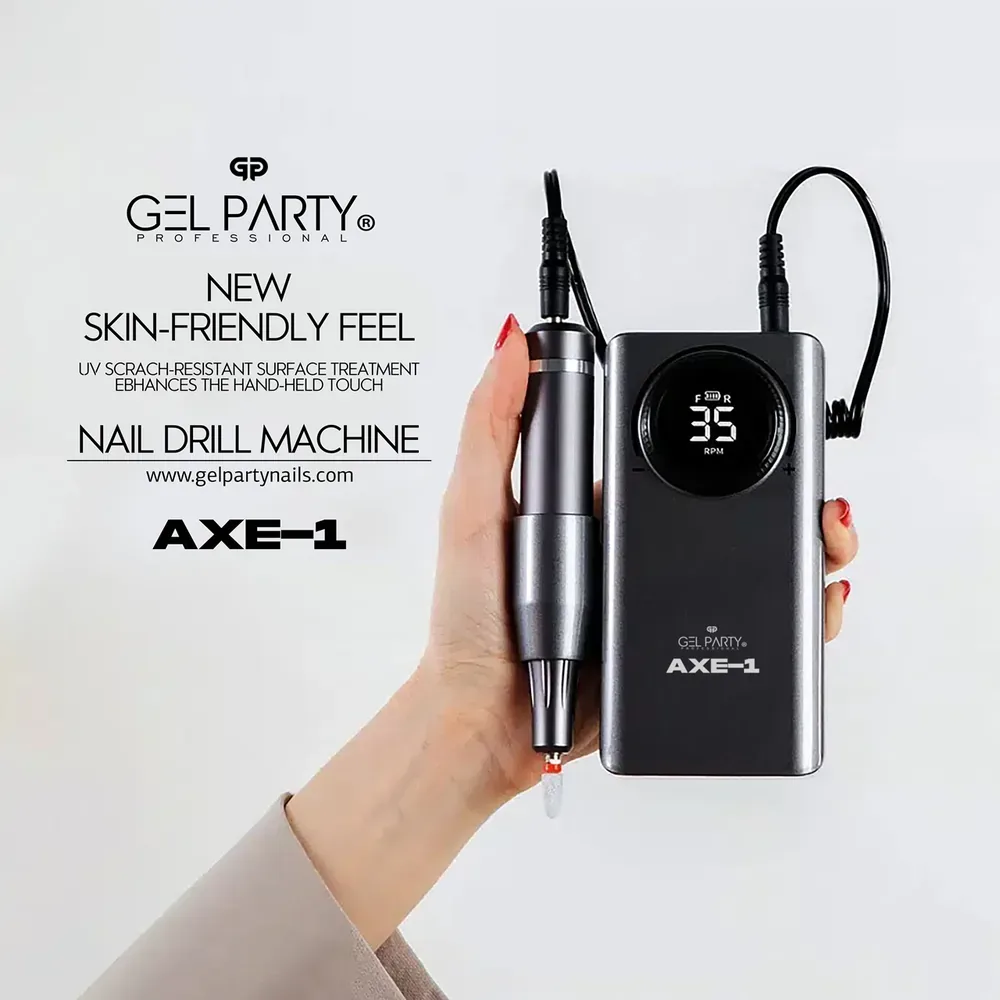
Our e-file instructions add the basics: start at a low speed and increase gradually, use lower speeds near the cuticle, keep the bit moving with light pressure, and clean and disinfect bits after every client. Wear eye protection and use dust extraction if you have it.
A good habit: e-file the bulk, then switch to a hand file for the last thin layer. That's where most of the damage happens, and a hand file gives you more feedback.
Method 3: file, then soak
For soak-off builders, this is the gentlest option, and Nicholls calls it the safest method overall: remove most of the coating, leave a very thin layer on the nail, then soak off the remainder.
Soak-off, step by step
- 1. FileBreak the top coat and take off most of the builder. Remover can't penetrate an intact top coat.
- 2. Apply removerAcetone wraps, or a brush-on gel remover on the gel only, off the skin.
- 3. WaitOur builder in a bottle: 10 to 15 minutes in wraps. Remover times are minimums, not maximums.
- 4. Push gentlyPush softened gel toward the free edge. If it resists, reapply and wait; never scrape.
- 5. OilWash, buff any residue lightly and finish with cuticle oil.
Photo: GEL PARTY High-Tech Gel Polish Remover lifting soak-off gel polish. Brush-on removers are for soak-off products; hard builder gel is filed.
The details:
- File more than you think. Schippers' NAILS article describes filing down 50 to 75 percent of a soak-off gel before soaking. The less product the acetone has to get through, the shorter the soak.
- Wrap or brush. Cotton soaked in acetone and wrapped with foil, or a brush-on remover such as our High-Tech Gel Polish Remover on a soak-off layer. Keep it off the skin.
- Give it time. Removal times on a label are minimums. Product thickness, temperature and how much you filed all change the timing. NAILS suggests reapplying in five-minute increments if the product hasn't softened.
- Push, don't scrape. Softened gel should slide off with a gentle push. If you have to force it, it isn't ready.
- Protect dry skin. If a client's skin is dry or irritated, a barrier cream around the nail helps, and Nicholls notes that removers with added conditioners can offset acetone's drying effect.
Professional Beauty points out that builder gel can take longer to break down during soak-off than regular gel polish. Plan the appointment time (and the price) around that.
Which removal method should you use?
| File off by hand | File off with an e-file | File, then soak | |
|---|---|---|---|
| Works on | Every builder, including hard gel | Every builder, including hard gel | Soak-off builders, rubber base, gel polish |
| Speed | Slowest | Fastest | Medium: filing plus 10 to 20 minutes of soaking |
| Main risk | Over-filing with coarse grits | Heat, grooves and rings of fire | Dry skin; damage if you scrape |
| Skill needed | Low | High | Low to medium |
| Best for | Home users, short overlays | Trained techs, thick or long sets | Soak-off sets, clients who want a full removal |
There's also a fourth option that isn't a removal at all: the infill. If the set is healthy and the client wants to keep wearing builder, you don't need to take it all off. File it down to a thin, even layer and rebuild on top. Our complete builder gel guide covers when a fill makes more sense than a removal.
Mistakes that damage the nail
| Mistake | What happens | Do instead |
|---|---|---|
| Peeling or picking | Layers of nail plate come off with the gel | File or soak; never lift from the edge |
| Prying with a pusher | Scrapes and white spots on the plate | Push only softened gel; reapply if it resists |
| Coarse grit on bare nail | Thin, bendy, sensitive nails | 180 with a light touch or finer on natural nail |
| E-file held in one spot | Heat, grooves, rings of fire | Keep moving, light pressure, fewer passes |
| Soaking an unfiled top coat | Remover can't penetrate; long, drying soaks | Break the top coat and file the bulk first |
| Remover on the skin | Dryness and irritation | Apply on the gel only; use oil or barrier cream |
| Removing every two weeks "to let nails breathe" | Unnecessary filing and soaking | Infill healthy clear sets; remove when there's a reason |
Lifting is often what pushes clients to pick, and picking is how a lift becomes damage. If lifting keeps happening, read why builder gel lifts and fix the cause rather than just removing more often.
Aftercare after builder gel removal
Right after a full removal, the nail plate is at its driest. A few simple habits help:
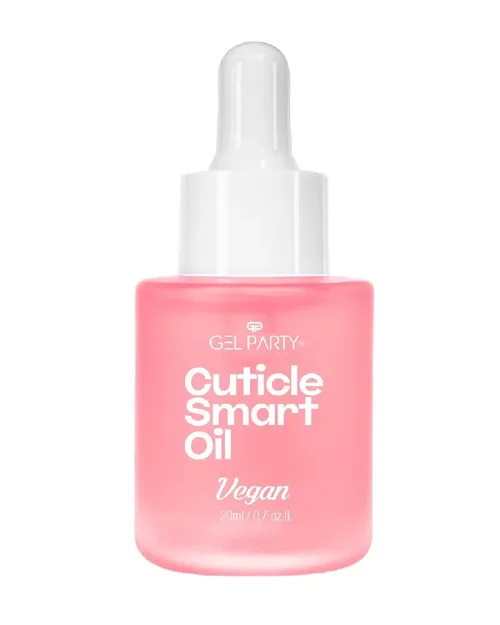
- Cuticle oil daily. Our Cuticle Smart Oil has jojoba oil and vitamin E. Rub it into the nail and the skin around it.
- Hand cream after washing, especially after acetone.
- A short, smooth free edge while the nail recovers, so it doesn't catch and peel.
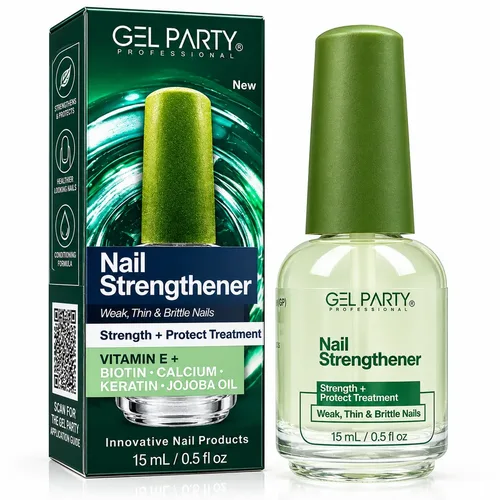
- A strengthening coat if the nails feel weak. Pryke suggests a nail strengthener in that case, and we make a Nail Strengthener for natural nails.
If the nail plate is red, sore or has deep grooves, give it time before the next set. Product over a damaged plate is more likely to heat up in the lamp and less likely to stay on.
Frequently asked questions
Can you soak off builder gel?
It depends on the product. Soak-off builders, rubber bases and many brush-on builders can be filed and then soaked. Hard builder gels don't dissolve in acetone and must be filed down. Check the label; our jar Builder Gel is filed down to a thin layer first, and the rest can be soaked off or kept as a base.
How long does it take to soak off builder gel?
After filing off the top coat and most of the product, our soak-off builders take about 10 to 15 minutes in acetone wraps. Thicker product takes longer. Reapply in short increments rather than scraping.
Does acetone damage natural nails?
Acetone dries the surface of the skin and nails temporarily, but NailKnowledge's review concluded it doesn't penetrate the nail plate in significant amounts or change its structure. Damage usually comes from filing, scraping or peeling, not from the acetone itself. Moisturize afterward and keep acetone away from flames.
Can I remove builder gel at home?
Yes. Use a hand file rather than an e-file: 100 grit for the bulk, 180 to refine, then a buffer, stopping at a thin layer. If your builder is a soak-off type, soak off the rest. Go slowly, work on all ten nails a little at a time, and stop if a nail feels hot or looks red.
Should I remove builder gel completely between sets?
Not necessarily. A healthy clear or sheer set can be filed down and infilled. Remove completely when there's lifting under a large area, damage, pain, or when you need to see the natural nail under an opaque shade.
Why are my nails thin and sore after removal?
That's usually over-filing or peeling. The nail plate has lost layers and insulates the nail bed less well. Let it grow out, keep it short and oiled, and use finer grits and more patience next time.
The bottom line
Builder gel doesn't ruin nails; rushed removal does. Read the label to know whether you're filing or soaking. File the color and the bulk away on the product only, stop at a thin layer, and either soak off the rest, keep it as a base, or buff it smooth to grow out. Keep e-files moving and light, push only gel that has softened, and never peel or pry. Finish with oil, and the nail underneath will look the way it did before the set.
Sources
- Holly Schippers, NAILS Magazine. Gel smarts: the science beneath the surface (crosslinking, hard vs soak-off gels, filing 50 to 75 percent before soaking, removal times are minimums, scraping causes white spots). 31 July 2017.
- NailKnowledge glossary. Soak-off gels (porous gels removed by soaking in acetone; hard gels are filed). Last updated 18 January 2023.
- Doug Schoon, NailKnowledge. Nail plate overfiling is an avoidable, yet common problem (coarse abrasives and e-files can remove half the plate's layers; over-filed plates hurt adhesion). 13 November 2020.
- Doug Schoon, NailKnowledge. Heat spikes during UV gel nail coatings (an over-thinned plate is a poor heat barrier). 18 March 2022.
- Justyna Pryke, Scratch. How to remove hard gel from nails without an e-file (100, 180 and 220 to 240 grit steps, signs you're near the natural nail, never peel, aftercare). 23 September 2025.
- Kevin Nicholls, NailKnowledge. Is acetone harmful for removing nail coatings? (acetone doesn't significantly penetrate or damage the nail plate; temporary dryness; flammability). 14 March 2025.
- Kevin Nicholls, NailKnowledge. To infill or to soak off? (safest removal: file most of the coating, leave a thin layer, soak off the rest; conditioning removers). 18 January 2022.
- Kristie Jauvais, NailKnowledge. How to prevent rings of fire on the nail plate (bit angles, bit quality, speed, number of passes). 6 April 2024.
- Josie Jackson, Professional Beauty. The ultimate guide to builder gel nail services (builder gel can take longer to soak off than gel polish). 21 January 2026, updated 16 October 2026.
- GEL PARTY product information: Builder Gel, Classic Hard Builder Gel, Builder Gel in a Bottle, High-Tech Gel Polish Remover, Professional Nail Files, AXE-1 Cordless Nail Drill (removal instructions, grits, e-file advice).