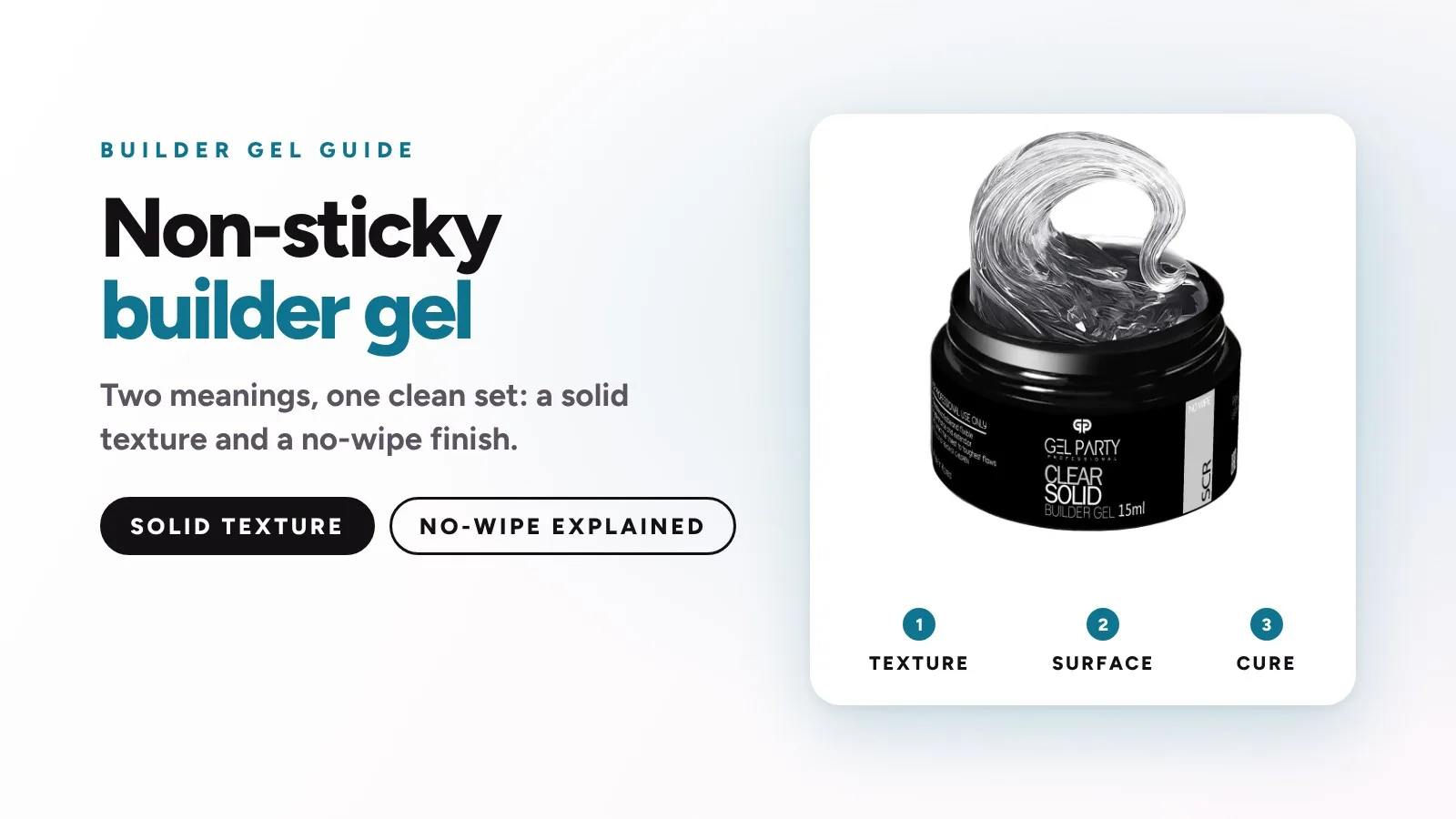
Search for "non sticky builder gel" and you'll find jars with very different promises. One says the gel won't stick to your brush. Another says it won't leave a sticky layer on the nail. A third just says "non-stick" in big letters and leaves you to work out the rest.
They aren't the same thing, and mixing them up leads to real mistakes: wiping a nail that didn't need wiping, skipping a wipe that did need it, or buying a putty gel when you wanted a self-leveling one. This guide separates the two meanings, explains why every UV gel has a sticky layer in the first place, and shows how to get a clean, strong set with a non-sticky solid builder gel.
The two meanings of "non-sticky"
Meaning 1: it doesn't stick to your tools
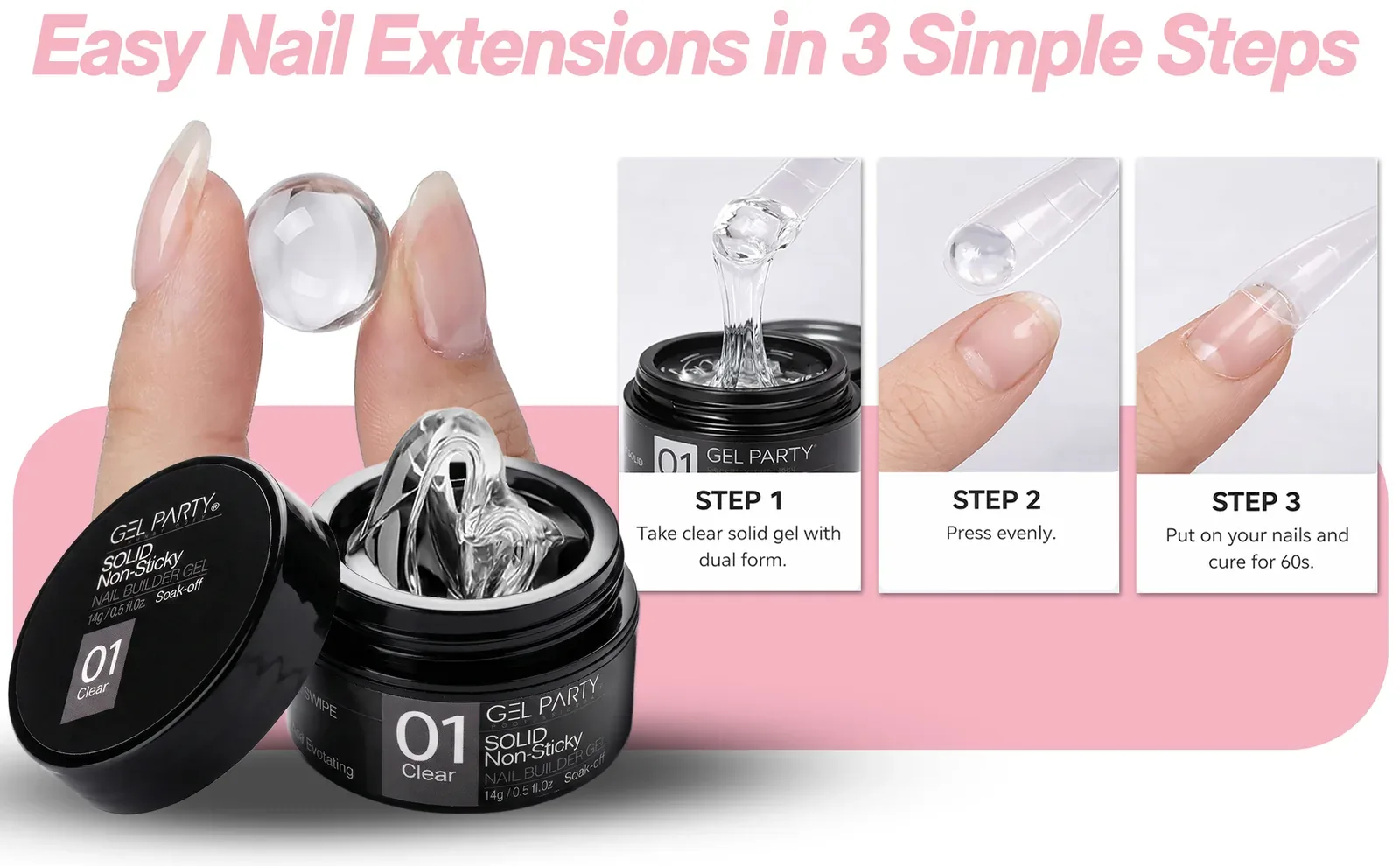
Most "non-stick solid builder gels" are about texture. Instead of a runny jar gel that flows toward the cuticle the moment you tilt the hand, you get a firm, putty-like gel. You scoop a small piece with a spatula or brush, place it, press it into shape and it stays exactly where you left it until you cure it.
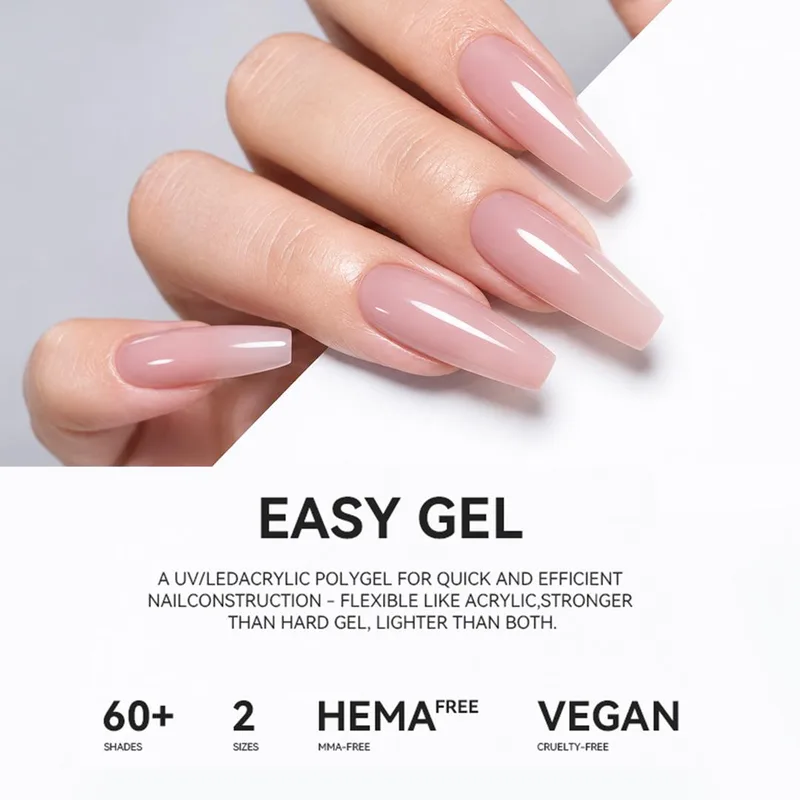
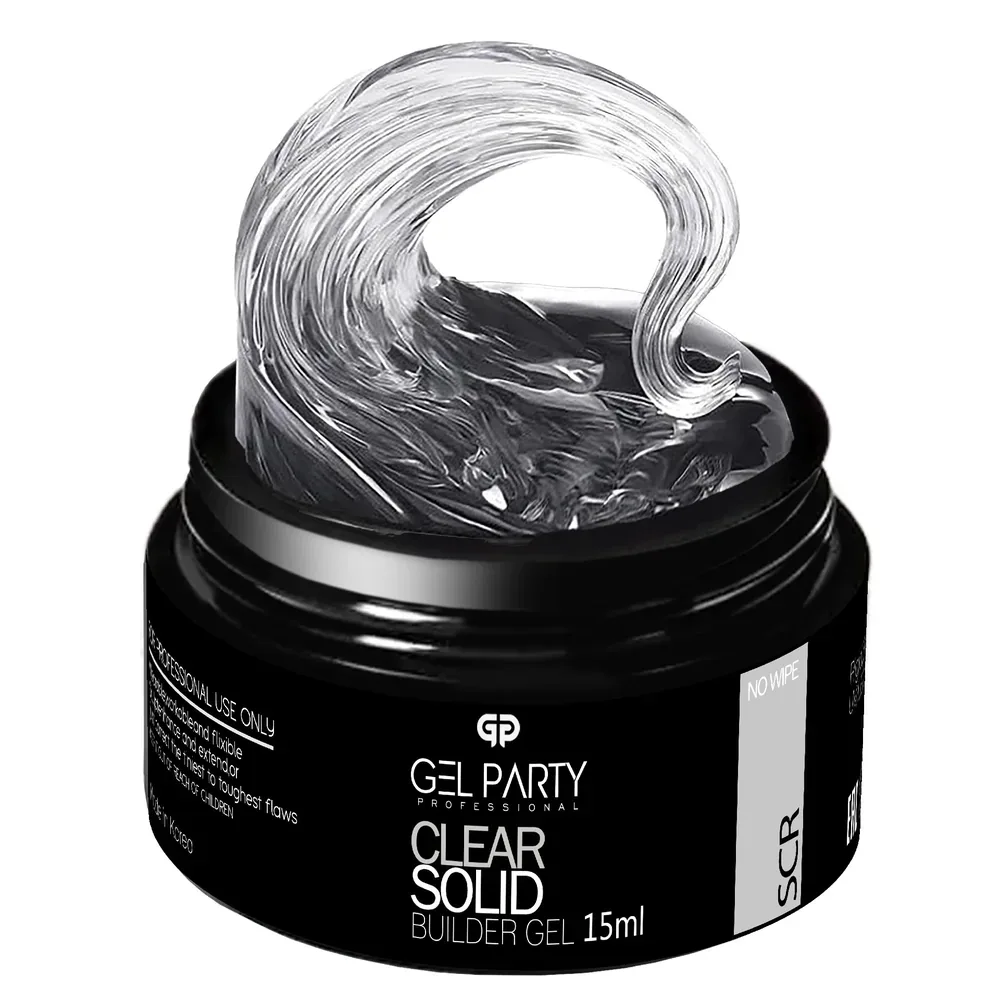
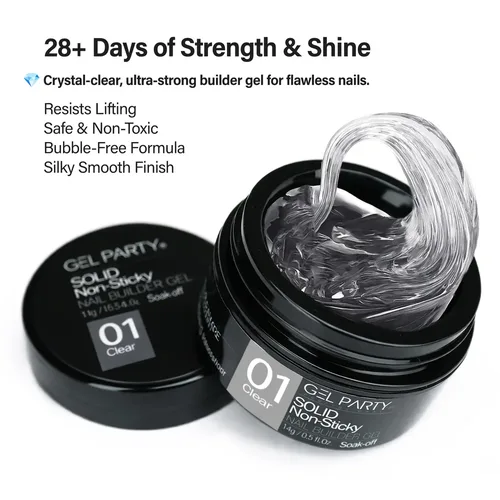
That's what we mean by our 3D Solid Builder Gel: a firm texture that doesn't run into the cuticles and doesn't stick to your tools, so you can scoop, place and sculpt with control. It's the same idea behind our professional Non-Stick Solid Builder Gel, which is described as non-sticky and non-fluid, flexible with strong adhesion, and stable enough to sit in a pot or palette without spilling.
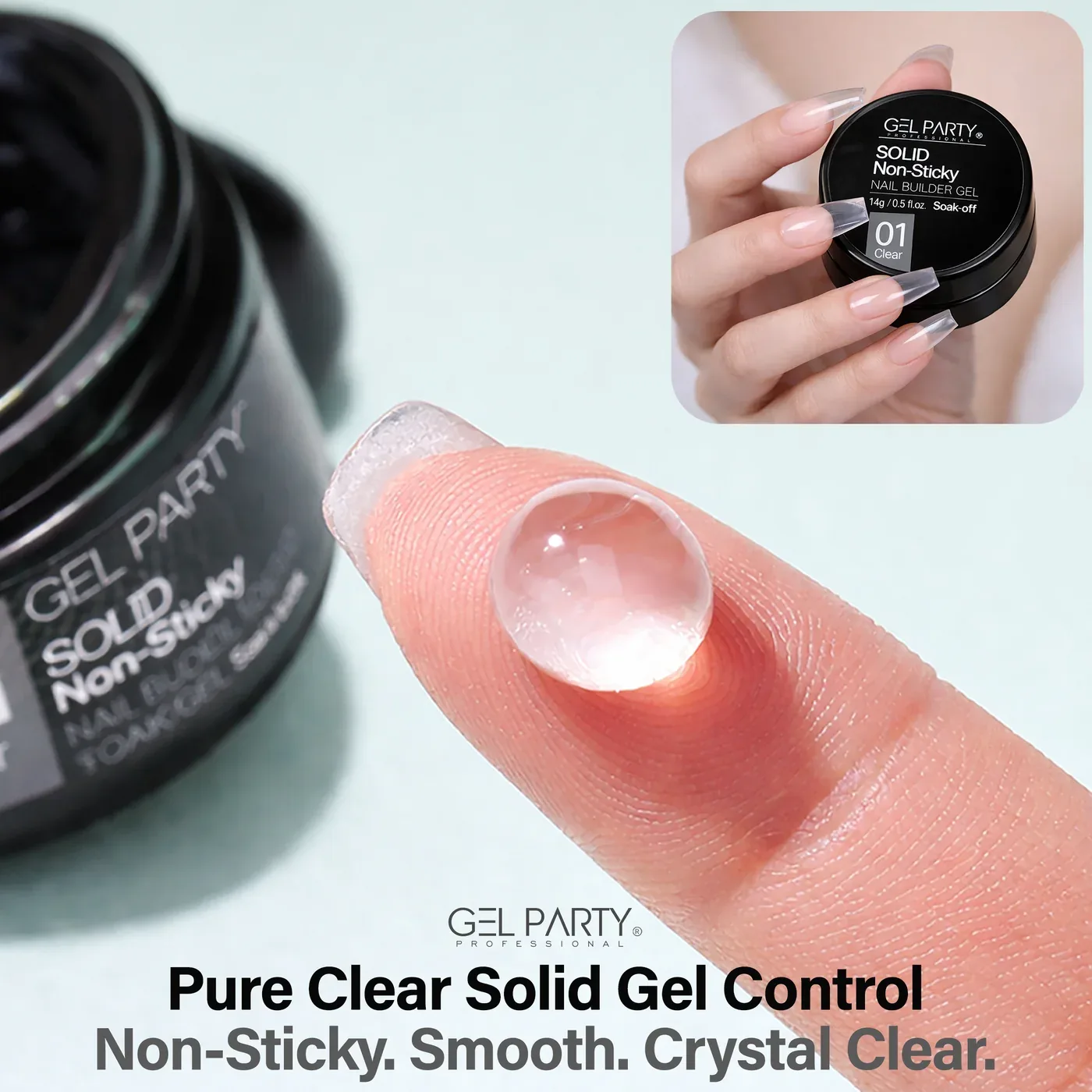
Meaning 2: no sticky layer after the lamp
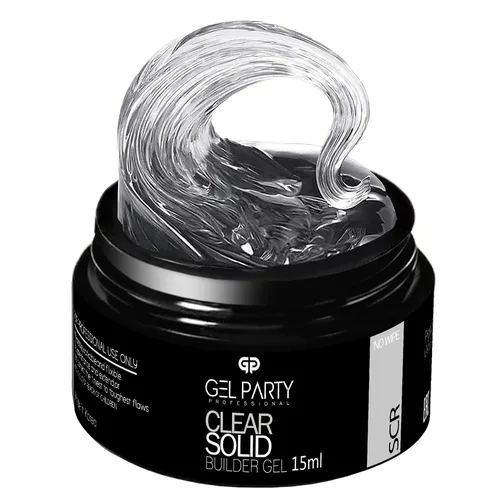
The other meaning is about the surface of the cured gel. Every UV or LED gel feels slightly tacky when it comes out of the lamp. A "no-wipe" or "non-sticky finish" claim says that tacky film is minimal or absent. Our solid gel jars carry a NO WIPE mark on the label, and our 3D Solid Builder Gel listing describes a clean surface without a sticky inhibition layer after curing.
To judge claims like these, it helps to know what the sticky layer is, why it exists and why makers can't simply remove it.
Two meanings, two questions to ask
Non-stick to tools
The gel is firm and putty-like. It doesn't string, drip or cling to the spatula. Question to ask: does it stay where I place it?
No sticky layer
After curing, the surface is not tacky, so no cleanser wipe is needed. Question to ask: does the label say no-wipe?
A solid gel can be non-stick to tools and still leave a tacky layer. A no-wipe gel can still be a runny jar gel. Check each claim separately.
Why UV gels get sticky in the first place
The tacky film on a cured gel has a name: the oxygen inhibition layer. Doug Schoon, one of the nail industry's best-known chemists, explains that oxygen in the air blocks the ends of the growing polymer chains at the surface, so those chains stay short and semi-hardened instead of locking into a solid network. Deeper in the layer there is less oxygen, so the lower part cures and hardens.
A few facts from NailKnowledge that matter in the salon:
- A properly cured gel has an inhibition layer of 25% or less of the total product applied. If it's thicker, say half the layer, that's excessive.
- Faster-curing gels usually have a thinner inhibition layer. Slower-curing gels have a thicker one.
- A lamp that emits too little UV, or the wrong wavelength range, cures more slowly and makes the sticky layer thicker. So do worn-out or dirty bulbs and badly placed hands.
- Uncured or under-cured gel is a leading cause of adverse skin reactions, so contact with that tacky layer should be avoided.
Schoon also addresses "no-cleanse" gels directly. It is possible to formulate a UV gel that doesn't create an inhibition layer, he says, but there are trade-offs: such formulas have a much higher tendency to overheat, and he recommends avoiding skin contact with them. In his words, nail coatings that cure without an inhibition layer can have a higher tendency to cause skin sensitivity.
That isn't a reason to avoid no-wipe gels. It's a reason to use them exactly as the maker intends and to keep them off the skin. For a thick, solid builder, it also gives you a practical reason to build in controlled amounts and to use the lamp the formula was made for.
The numbers behind the sticky layer
Inhibition-layer figures: NailKnowledge (Doug Schoon). Cure times: GEL PARTY solid builder gel instructions; always follow your lamp's guide.
Do you wipe a solid builder gel or not?
It depends on the gel and on what goes on next.
| Situation | What to do | Why |
|---|---|---|
| Gel labeled no-wipe, finishing with a top coat | Follow the label; no cleanser wipe needed | The formula is made to leave no tacky film |
| Gel that does leave a tacky layer, finishing with a top coat or color | Leave the layer on until the very end so the next coat grips it | The layer is what lets coats bond |
| Gel that leaves a tacky layer, finishing with no top coat | Wipe once with a cleanser on a lint-free wipe | Removes the semi-cured film |
| Filing and shaping the gel | Wear gloves or keep skin away from dust | Filing dust is under-cured material too |
Two warnings from Schoon are worth repeating here. Alcohol-soaked pads used to remove the sticky layer can bring the fingers into skin contact, and the dust and roll-off from filing can also cause skin reactions if you let it sit on your arms. A plastic-backed cotton pad or disposable nitrile gloves help.
If you're unsure which kind of gel you have, take the 15 seconds to test on one nail: cure, then touch the surface with a dry lint-free pad. A visible tacky film means you need the cleanser step. Then follow your gel's instructions for the rest of the set.
Who non-sticky builder gel is best for
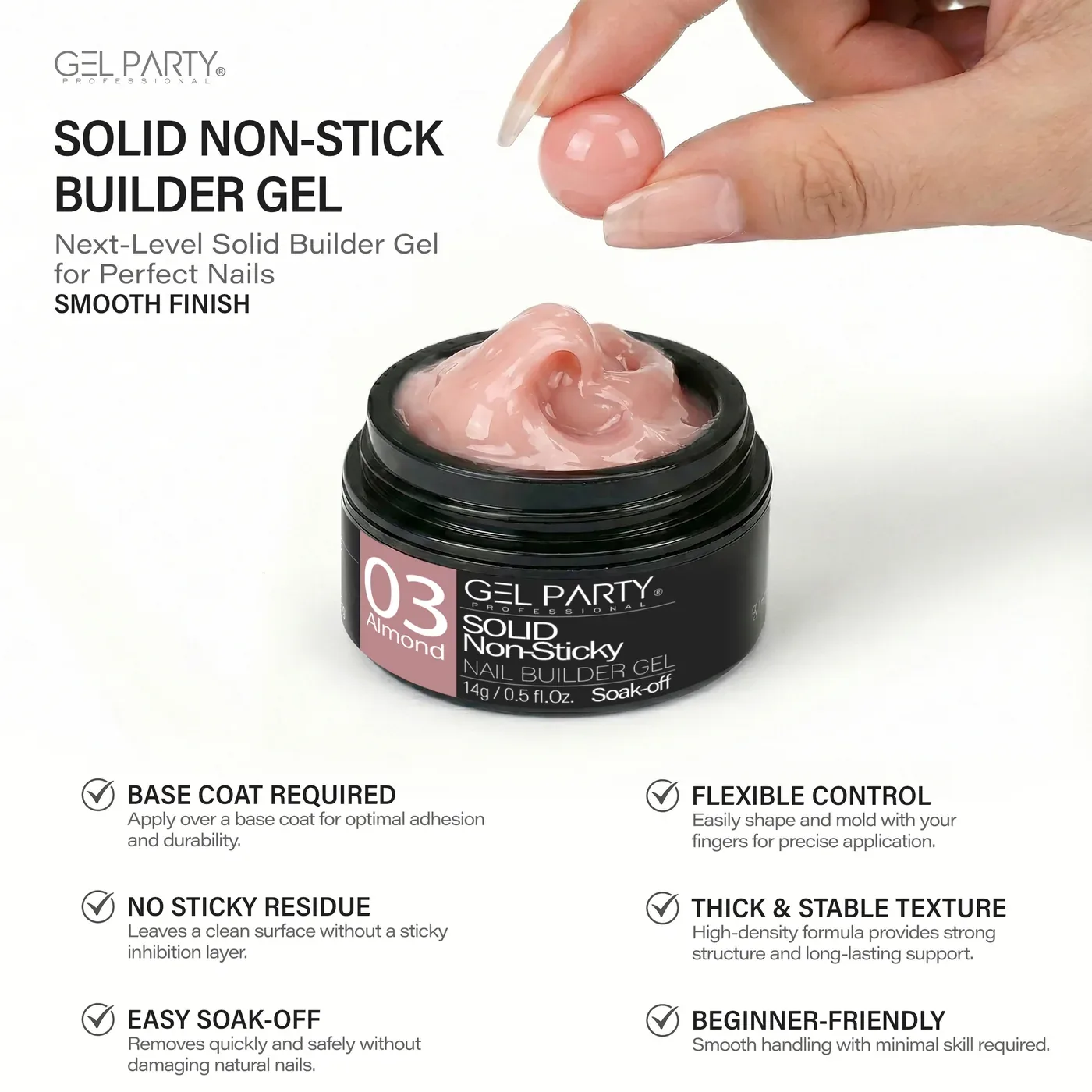
Solid, non-stick builder gels shine when you want control:
- Beginners. There's nothing to flood the cuticle, so you can't lose the shape in the thirty seconds it takes to reach the lamp.
- Sculpted and 3D designs. A firm gel holds a petal or bow shape long enough to carve and cure it.
- Short repairs. Place a small piece over a crack and press it flat.
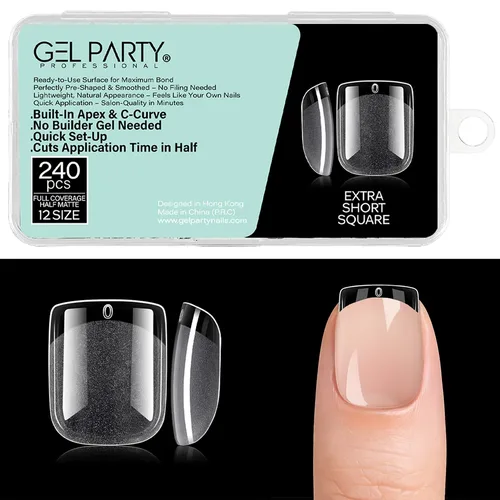
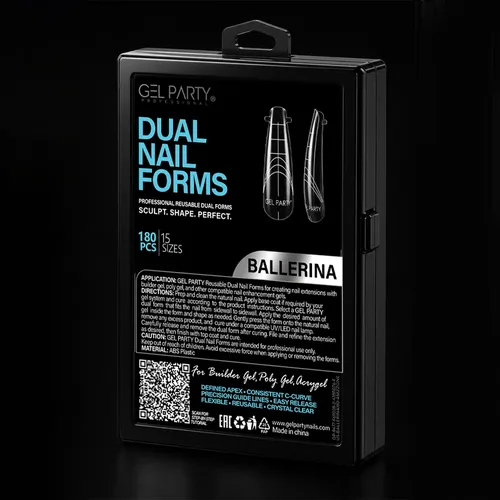
- Extensions on soft gel tips or dual forms. A little gel inside the tip or form, pressed and cured, gives structure and shape.
- Setting stones and charms. The gel stays put under the gem.
They're a poorer fit for a perfectly flat, glassy overlay with very little work: a self-leveling builder, such as our Builder Gel, flows into a smooth surface by itself. For a deeper look at choosing between textures, see our complete builder gel guide and the comparison of rubber base, builder gel and hard gel.
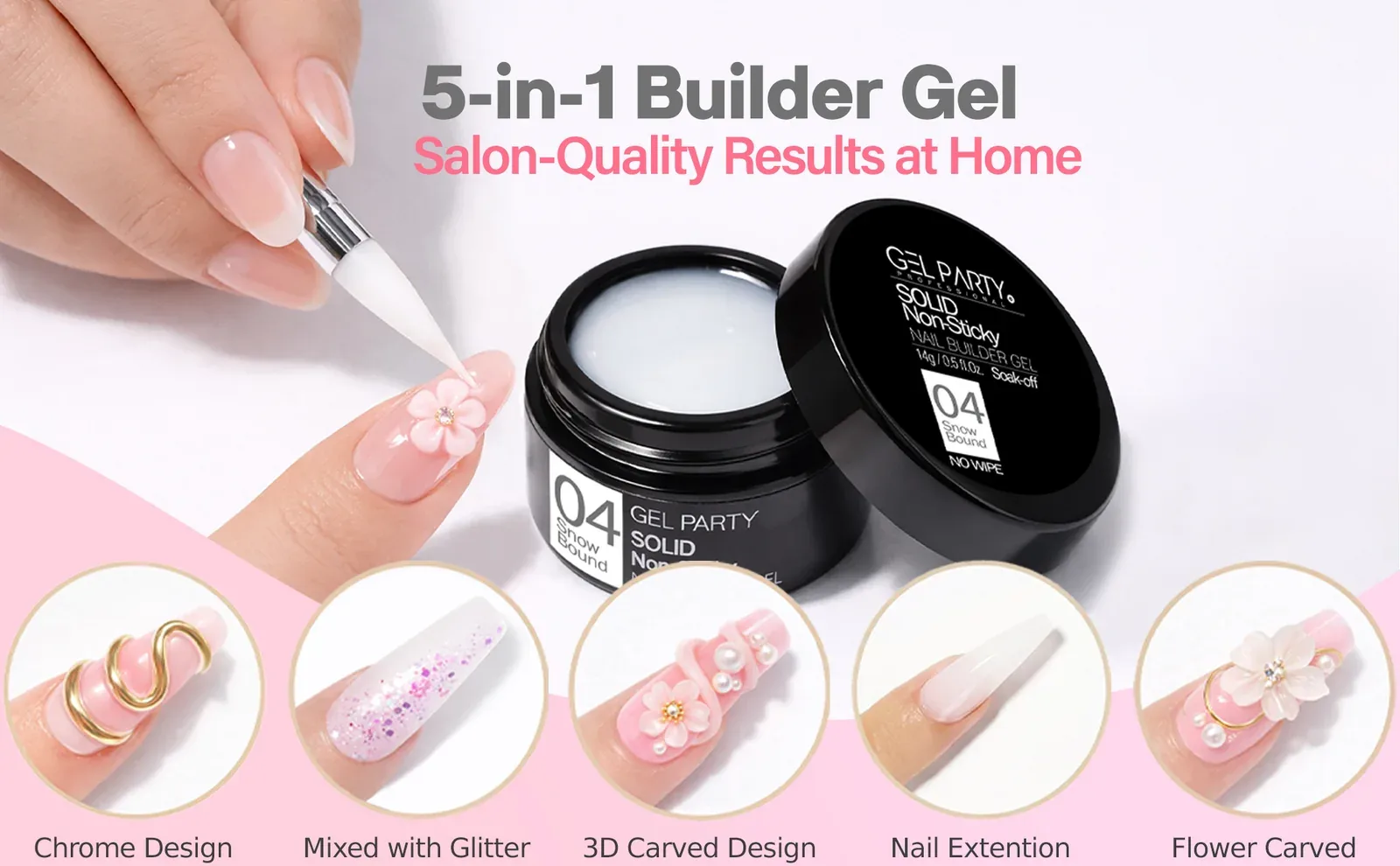
How to use a non-stick solid builder gel step by step
These steps follow the instructions for our solid builder gels. Always check the label of the jar in your hand, because curing times depend on the formula and the lamp.
1. Prep the natural nail
Push back the cuticle and remove non-living tissue from the nail plate. Lightly buff away the shine with a 180-grit file, then brush off all the dust. Over-filing thins the plate and hurts adhesion, so remove only the shine.
2. Dehydrate and keep it clean
Wipe each nail with a lint-free pad and a nail dehydrator or alcohol. After this step, don't touch the nail plate with your fingers: skin oils cause lifting. Oily nail plates are a common reason gel lifts, and the cause is usually preparation, not the gel.
3. Apply a thin base layer and cure
Brush on a thin base coat (or bonder) and cure. Solid gels grip best over a clean, very thin base layer.
4. Scoop, place and sculpt
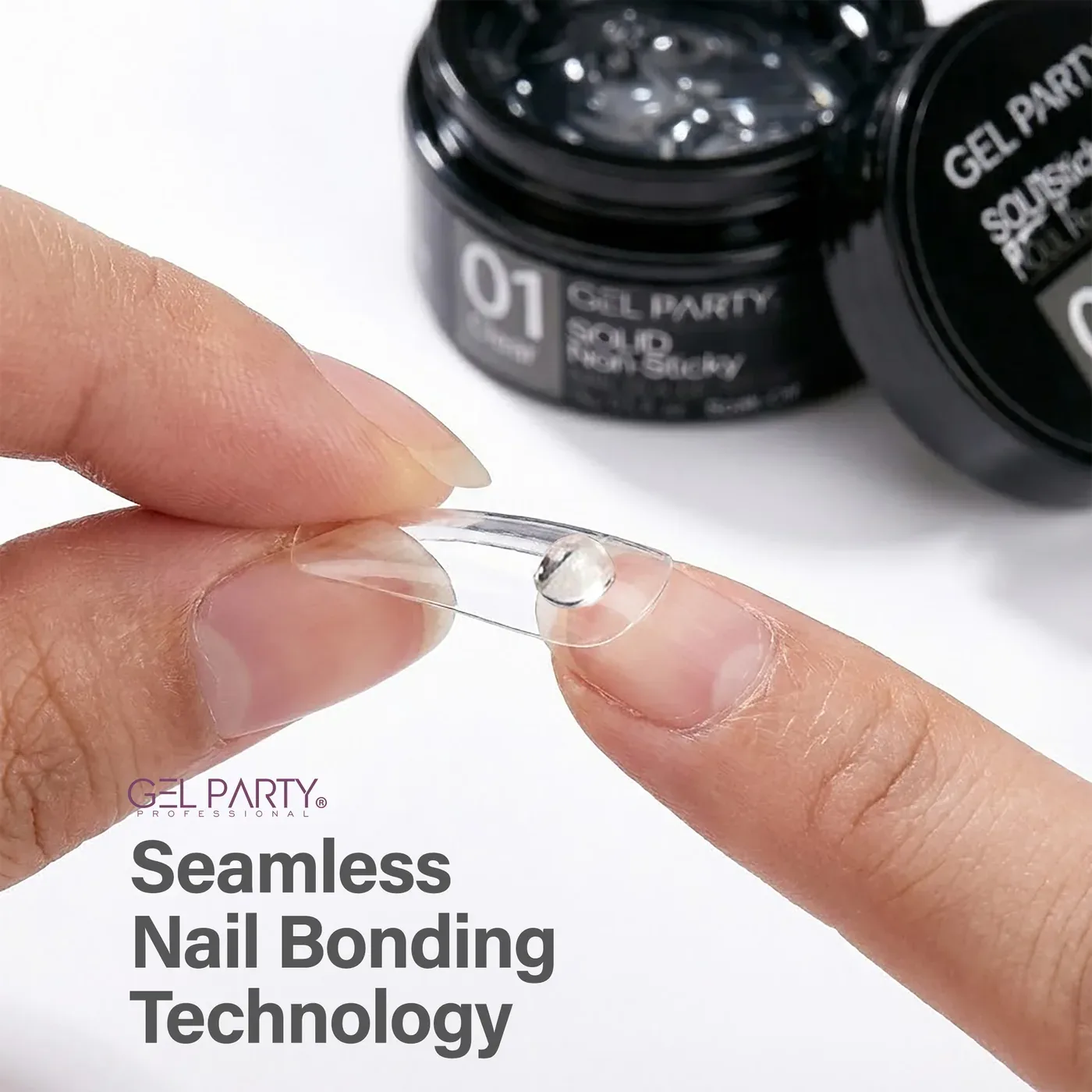
Take a small amount with a spatula or brush. For extensions, place gel inside a soft gel tip or a dual form first, then press onto the nail. Build the apex in the center, where the nail takes the most stress, and keep the gel thin near the cuticle and sidewalls. A little cleanser or slip solution on the tool helps the surface go smooth.
5. Clean the skin before curing
Check the cuticle line and sidewalls for stray gel and clean it off before you cure. Uncured gel on skin is what starts sensitization, so this step matters more than any other.
6. Cure fully with the right lamp
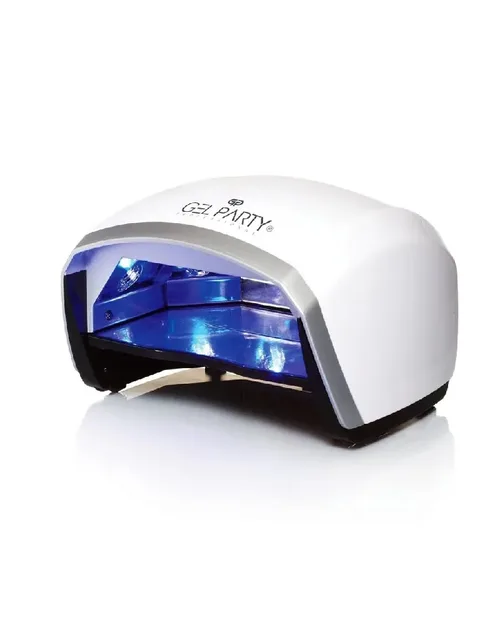
Cure under a UV/LED lamp for the time your lamp and gel recommend. Our solid gel instructions give about 60 seconds under an LED lamp or about 120 seconds under UV, and note that times vary with lamp wattage. Use a lamp made for your gel, like the EARTH MOON 48W LED Nail Lamp, and keep the bulbs and reflectors clean. Thick pieces release more heat while they cure, so if a client feels heat, take the hand out, wait a moment and continue with a thinner layer.
7. Refine, finish and care
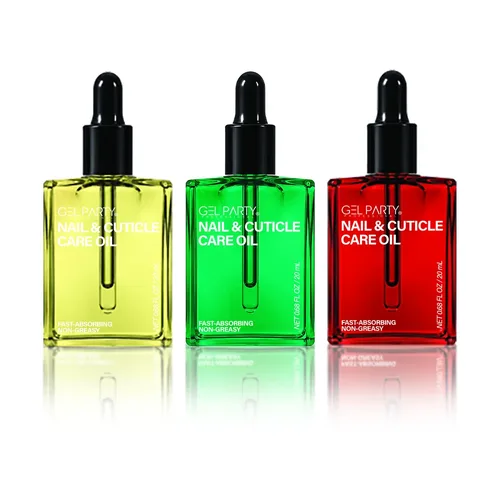
File and buff the shape, wipe away dust, add color if you like and seal with top coat. A drop of cuticle oil at the end helps the skin recover.
Solid builder gel in six moves
Shades and what they're for
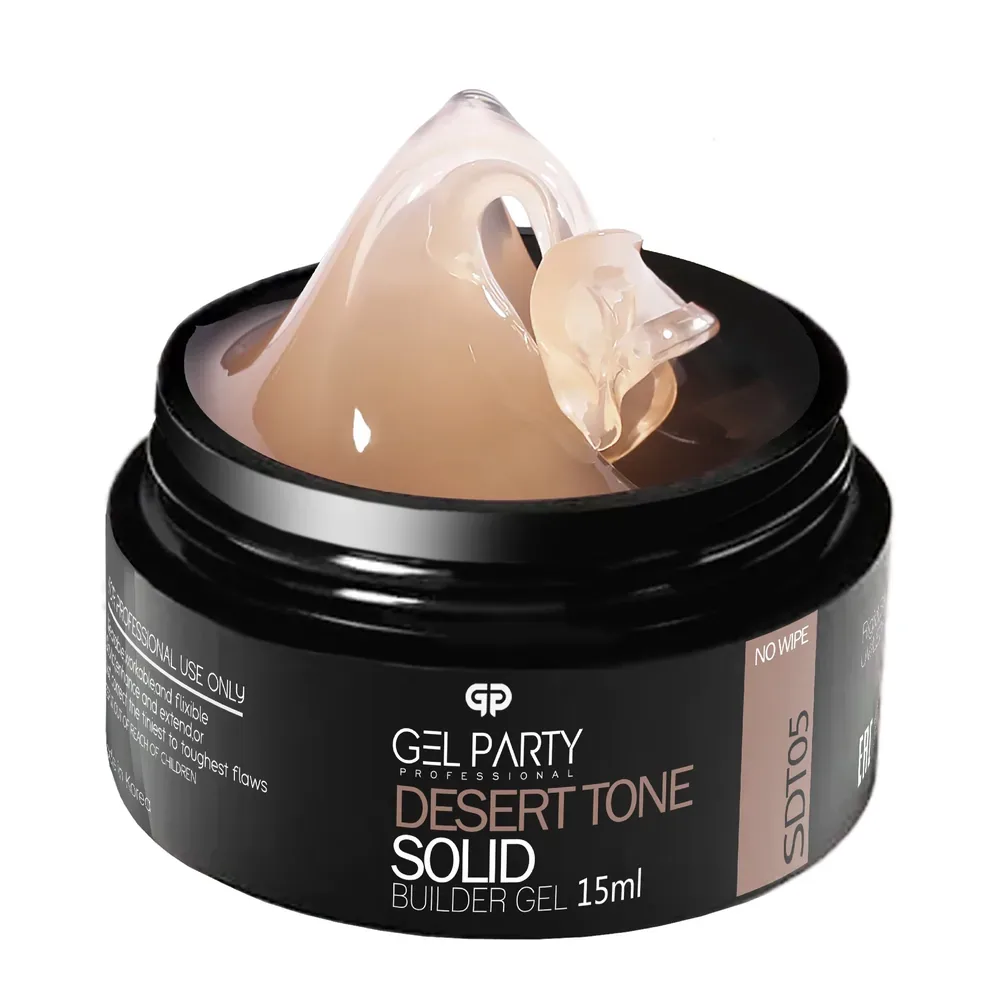
Our solid gels come in a range of clear and nude-to-pink shades, so the same technique can finish a natural-looking set or a statement design.
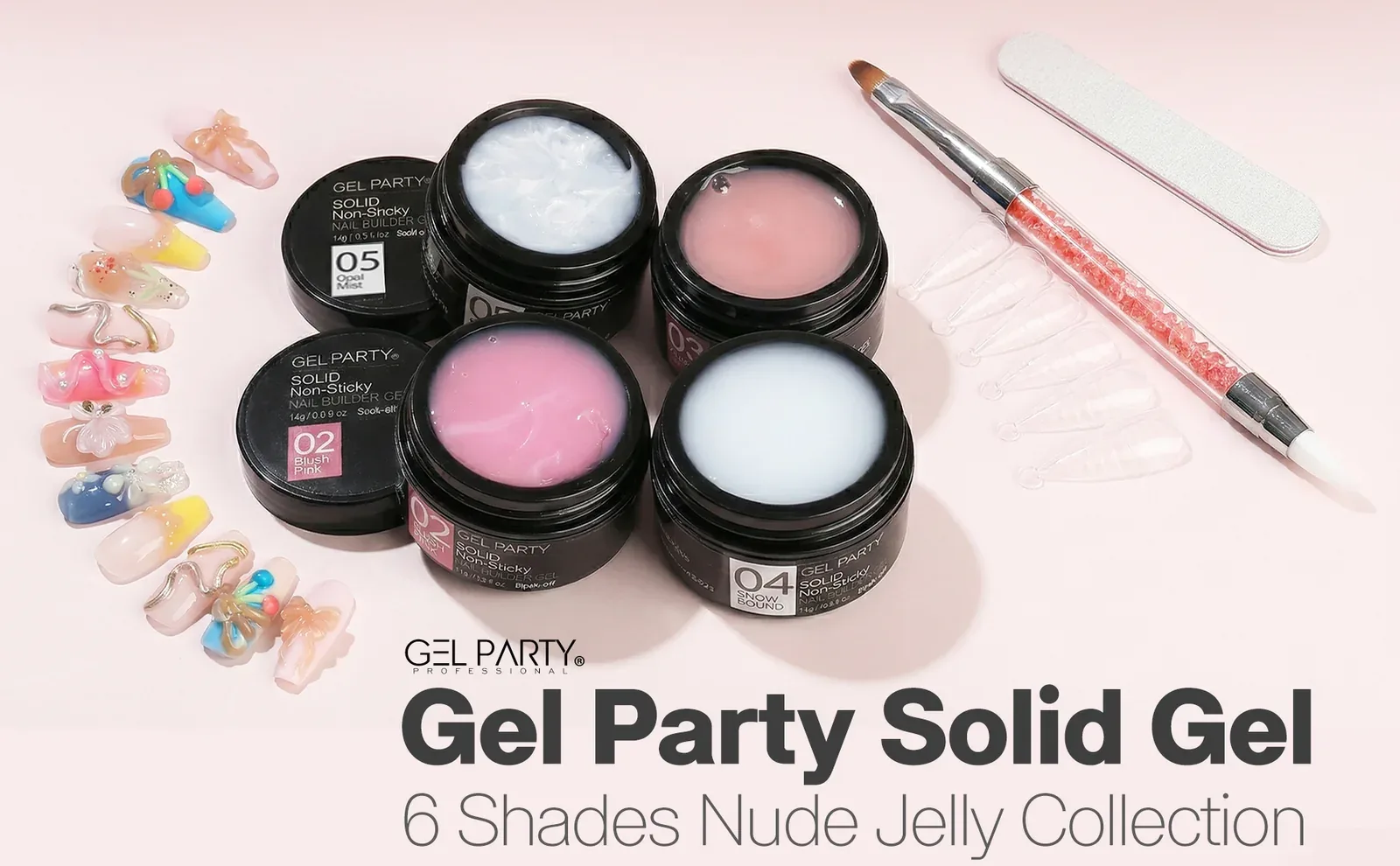
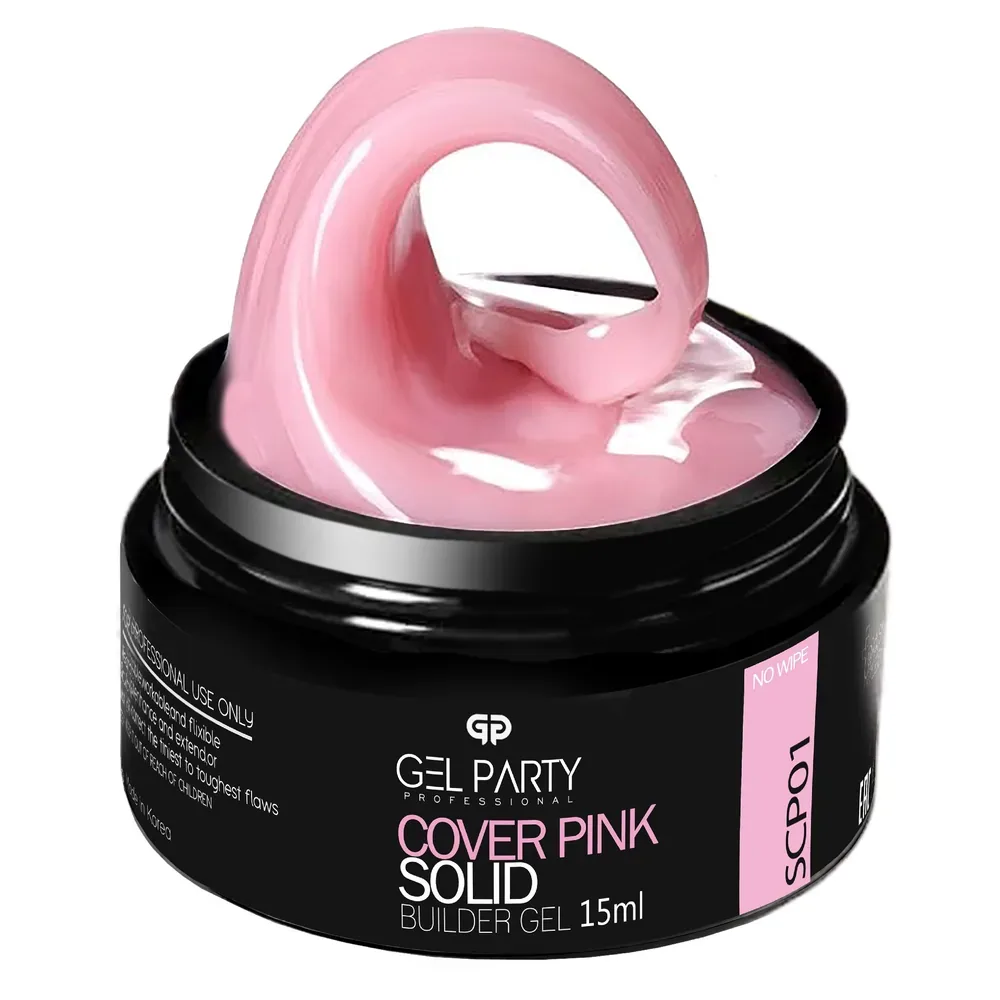
- Clear is for encapsulating glitter, foils and dried flowers, and for building a strong apex under any color.
- Pink and peach cover shades even out the nail bed for a natural "camouflage" extension.
- Milky and white shades suit French smiles and soft, cloudy overlays.
- Desert and nude tones match warmer skin tones for a seamless look.
The professional 15 g range includes Clear, Cover Peach, Cover Pink, Desert Tone, Milky Tooth and Pink Cake. The 14 g Amazon range offers Clear, Blush Pink, Almond Nude, Snow Bound White, Opal Mist and Salmon Coral. Choose by how you want the finished nail to look, then confirm the exact shade on the product page.
Common problems and how to fix them
| Problem | Likely cause | Fix |
|---|---|---|
| Gel feels tacky after the lamp | Normal inhibition layer, or the lamp/bulbs are weak, or the cure was cut short | Check the label for no-wipe. If it should be tack-free, replace the bulbs, use the lamp made for the gel and cure the full time |
| Gel clings to the spatula | Tool is dry, or the room is warm and the gel has softened | Wipe the tool with a little cleanser or slip solution; let the jar rest in a cool place |
| Gel is too firm to scoop | Cold room | Let it sit at room temperature for a few minutes |
| Lifting at the cuticle | Gel on the cuticle, oily plate, or thick product at the cuticle | Keep gel thin and off the skin; re-prep and dehydrate |
| Hot spike in the lamp | Thick piece, strong lamp or thin natural nail | Use thinner pieces, let the client pull the hand out for a moment, then continue |
| Dull or rough surface | Over-filing or skipped top coat | Refine with a fine buffer and seal with top coat |
Removing solid builder gel
Never peel or pry. File down the bulk of the top layer, leaving a thin layer over the natural nail. Then follow the instructions on your jar: our solid gels can be soaked off with acetone or gel remover after filing, wrapping each nail in a soaked cotton pad for 10 to 15 minutes, and gently pushing the softened product off with a cuticle pusher. Finish with oil.
Frequently asked questions
What does non-sticky builder gel mean?
It can mean a solid, putty-like gel that doesn't cling to your tools, or a gel that leaves no tacky layer after curing, often labeled no-wipe. Some products are both. Check the label and product description to see which claim applies.
Why does my builder gel feel sticky after curing?
That film is the oxygen inhibition layer. Oxygen blocks the top of the gel from fully curing, which is normal for most UV gels. A properly cured gel has an inhibition layer of 25% or less of the product. A thicker film points to a weak or wrong lamp, old or dirty bulbs, or a short cure.
Do I have to wipe non-sticky builder gel?
Only if the gel leaves a tacky layer and you are finishing without a top coat. If the jar is labeled no-wipe, follow its instructions. If the gel does leave a sticky layer and you are applying color or top coat, leave the layer on until the last step so the next layer bonds.
Is a no-wipe builder gel safe to use?
Used as directed, yes. NailKnowledge notes that all UV gels can be used safely when applied and cured according to the maker's directions, and that skin sensitivities usually come from improper handling or incomplete curing. The key habits are to keep gel off the skin, cure with the right lamp and avoid contact with filing dust.
Can I use non-sticky solid builder gel on short natural nails?
Yes. A thin layer with a small apex can strengthen a short nail. For very thin, bendy nails, a more flexible gel such as rubber base may feel more comfortable than a rigid builder.
Is solid builder gel good for soft gel tips?
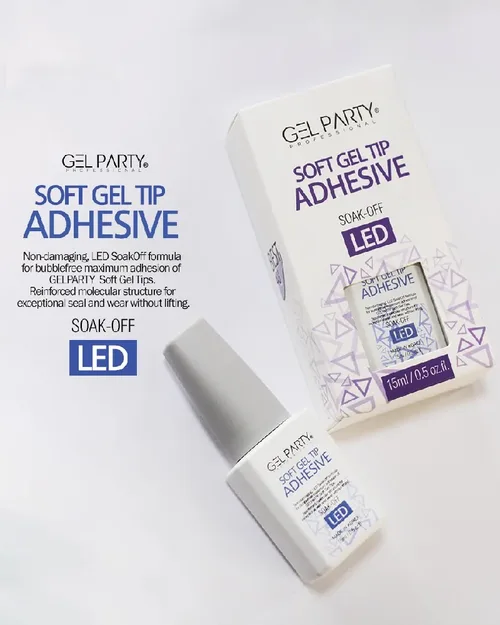
It works well for building and reinforcing extensions on soft gel tips or dual forms because it stays where you place it. Use a tip adhesive or glue gel for bonding the tip itself, then add solid gel for structure.
Why is my solid builder gel too hard or too soft?
Solid gels respond to temperature. In a cold room the gel firms up; in a warm room it softens. Let a cold jar rest at room temperature before you scoop, and keep the jar closed and away from light and heat.
How do I remove a solid builder gel?
File down the product, leaving a thin layer, then soak off the rest with acetone or gel remover if your jar says it's soak-off. Don't peel or pry it off.
The bottom line
"Non-sticky" is two promises in one phrase: a gel that behaves in your hands and a surface that doesn't need wiping. A solid builder gel gives you control over where the product goes. A no-wipe finish saves a step. Neither one changes the rules that keep a set strong and skin-safe: clean preparation, a thin base, an apex in the stress area, no gel on the skin, the right lamp and a full cure.
Want to try it? Start with a Clear solid gel on a soft gel tip set, and read our guides to builder gel, gel tips and gel extensions for the full picture. For salons and distributors, ask about our solid gels in the wholesale catalog.
Sources
- Doug Schoon, NailKnowledge. The inhibition layer (oxygen blocks polymer chains at the surface; a properly cured inhibition layer is 25% or less; faster-curing gels have thinner layers; wrong lamp or old bulbs make it thicker). 17 June 2022.
- Doug Schoon, NailKnowledge. Inhibition layer and no-cleanse gels (gels without an inhibition layer are possible but have higher exotherm risk and skin-sensitivity tendency; caution with alcohol pads; skin sensitivities come from improper handling or cure). 12 March 2022.
- Kevin Nicholls, NailKnowledge. UV curing: why thin layers matter for perfect nails (thick layers stay soft underneath; use the recommended lamp). 17 August 2025.
- Doug Schoon, NailKnowledge. Heat spikes during UV gel nail coatings (curing releases heat; thicker layers release more). 18 March 2022.
- Doug Schoon, NailKnowledge. Oily nail plates and proper nail coating application (lifting comes more often from preparation, application, curing or removal). 7 August 2024.
- Doug Schoon, NailKnowledge. Nail plate overfiling is an avoidable, yet common problem (remove only the surface shine). 13 November 2020.
- British Association of Dermatologists. Dermatologists reiterate artificial nails warning and risk of at-home kits (uncured product on skin, undercuring, nitrile gloves). 14 April 2023.
- GEL PARTY product information: 3D Solid Builder Gel, Non-Stick Solid Builder Gel, Soft Gel Nail Tips, Dual Nail Forms, EARTH MOON 48W LED Lamp (textures, shades, application steps, cure times, removal).